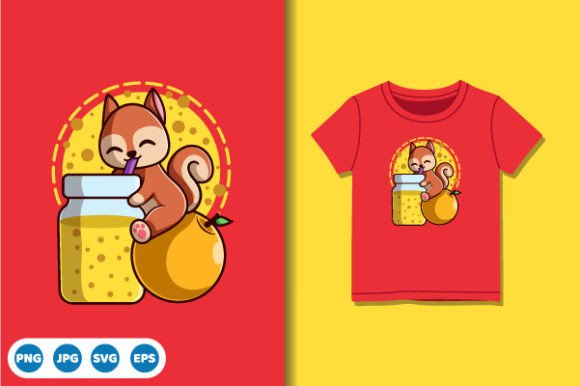
Cute Squirrel Drinking Smoothie T-Shirt Review
When I first opened the file for the Cute Squirrel Drinking Smoothie T-Shirt, my initial reaction was a genuine smile. In a sea of generic floral patterns and standard logos, this design immediately stood out because it has personality. As an embroidery designer who spends hours evaluating files before sending them to the hoop, I look for more than just aesthetic appeal; I need to know how the design will hold up under the needle, how it translates from screen to fabric, and whether it will resonate with the people wearing it.
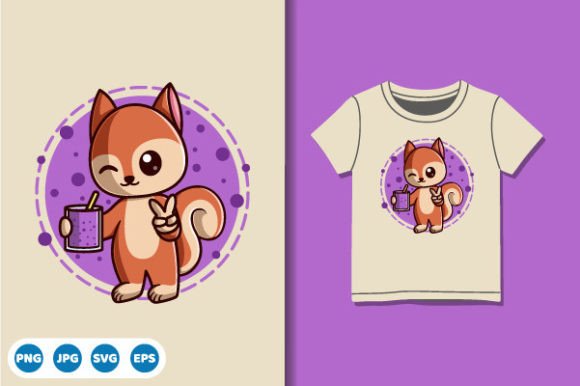
This kawaii-style cartoon illustration captures a specific mood: playful, wholesome, and undeniably cute. The concept of a squirrel sipping a smoothie is whimsical without being confusing. It feels like a character you might see on a trendy tote bag or a cozy baby onesie rather than a corporate logo. But does it work as a serious embroidery project? Let's dive into how this design performs in real-world applications.
First Impressions and Visual Personality
The layout of the Cute Squirrel Drinking Smoothie T-Shirt is balanced, which is crucial for machine embroidery. The character takes center stage, creating a focal point that draws the eye immediately. The lines are clean enough to be stitched clearly but soft enough to maintain that hand-drawn charm typical of kawaii art. When I visualize this on different surfaces, the design exudes a sense of warmth and approachability.
For a handmade product seller, visual personality is everything. This design doesn't just sit there; it tells a story. It suggests a morning routine, a healthy lifestyle, or simply a love for nature and animals. That narrative quality makes it highly effective for personalized gifts. Whether you are crafting a birthday present for a friend who loves fitness or making a custom item for a boutique, this design adds a layer of charm that generic clipart simply cannot match.
Real-World Application: From Screen to Stitch
I recently tested this design concept on a few different substrates to see how it would translate. Imagine preparing a custom embroidered tote bag for a local craft fair. The T-Shirt Designs category often leans towards apparel, but the versatility here is impressive. On a sturdy canvas tote, the fill stitch areas of the squirrel's fur would create a nice texture, while the satin stitch used for the outline would give it a crisp, professional edge.
However, the true test lies in the details. If I were to use this for embroidered patches, the design holds up well due to its defined shapes. The smoothie cup provides a solid area for color blocking, which helps in distinguishing the image even when viewed from a distance. For sweatshirt embroidery, the slightly larger scale works perfectly, allowing the design to breathe against the textured fleece. It avoids looking cramped, which is a common issue with smaller designs on bulky fabrics.
Consider a scenario where you are creating a set of matching kitchen towels for a holiday gift. The playful theme fits seamlessly into a fall or winter gathering. A squirrel enjoying a drink feels appropriate for any season, making it a versatile asset for your digital embroidery file collection. It transforms a simple utility item into a conversation starter, elevating the perceived value of the finished product.
Navigating Challenges and Fabric Constraints
While the design is charming, every machine embroidery design comes with limitations that a professional must respect. The primary concern with this Graphics style is the level of detail. If you attempt to stitch this on a very small hoop size, such as those used for cap brims or delicate baby booties, you risk losing definition. Tiny features like the eyes or the straw in the smoothie might merge together if the stitch density is too high or the fabric is too tight.
Fabric choice is another critical factor. Stretchy fabrics like jersey or thin knits can distort the shape of the squirrel, causing the smoothie cup to wobble or the character to warp. For these materials, using a high-quality stabilizer is non-negotiable. Without proper support, the tension of the threads could pull the fabric, ruining the intended cute aesthetic. Similarly, dark fabrics require careful thread selection. You must ensure there is enough contrast between the background and the thread colors to make the design pop, otherwise, the embroidery file might look muddy once stitched.
Textured fabrics, such as terry cloth or heavy denim, also pose a challenge. The needle may struggle to penetrate thick weaves cleanly, leading to skipped stitches or uneven running stitch areas. In these cases, pre-testing on scrap fabric is essential to determine the correct tension and stabilizer type. If you are working on curved surfaces like caps, the curvature might alter the perspective of the design, so a mockup is highly recommended before committing to the final production run.
Impact on Brand Value and Customer Trust
In the world of Etsy sellers and small shop products, the quality of your embroidery speaks volumes about your brand. A poorly executed design can erode customer trust instantly. Conversely, a well-stitched custom apparel piece featuring the Cute Squirrel Drinking Smoothie T-Shirt signals professionalism and attention to detail. Customers are willing to pay a premium for items that look polished and thoughtfully designed.
This design enhances brand consistency by offering a cohesive look across various product lines. Whether you are selling holiday embroidery items, wedding favors, or nursery decor, the consistent use of this character creates a recognizable identity. It builds buyer engagement because the imagery is relatable and shareable. People love sharing photos of their cute accessories on social media, effectively providing free marketing for your business.
Practical Designer Notes for Success
Before you start stitching, there are several technical steps you should take to ensure the best results. First and foremost, always test the design on scrap fabric that matches your final material. This allows you to check the thread colors and adjust the density if necessary. Reviewing the stitch density is vital; if the fill areas are too dense, the fabric might pucker, while too little density can leave gaps in the design.
Inspect the small details closely. Zoom in on the digital preview to see if any elements are too close together, which could cause the needle to hit the same spot repeatedly. If possible, convert the design to black and white in your editing software to check the contrast and balance of the shapes. Compare how it looks on both light and dark backgrounds to ensure versatility.
Confirm your hoop size requirements early on. Ensure your machine can accommodate the dimensions without cutting off parts of the design. Also, verify the licensing terms associated with the commercial embroidery usage. Are you allowed to sell finished items made with this design? Does the license cover digital previews or printable mockups? These legalities are just as important as the technical execution.
Finally, consider the end-user experience. Will the finished product withstand frequent washing? Dense stitch areas can sometimes trap lint or feel stiff, so choosing the right thread weight and ensuring the design isn't overly heavy on one side of the garment is key for comfort. By following these guidelines, you can transform the Cute Squirrel Drinking Smoothie T-Shirt from a simple graphic into a standout piece of apparel decoration.
Ultimately, this design is a fantastic addition to any creator's toolkit. It balances fun and functionality, making it suitable for a wide range of projects from baby embroidery to craft business merchandise. With careful planning and execution, the finished product will not only meet but exceed expectations, delighting customers and showcasing your skills as a skilled embroiderer.